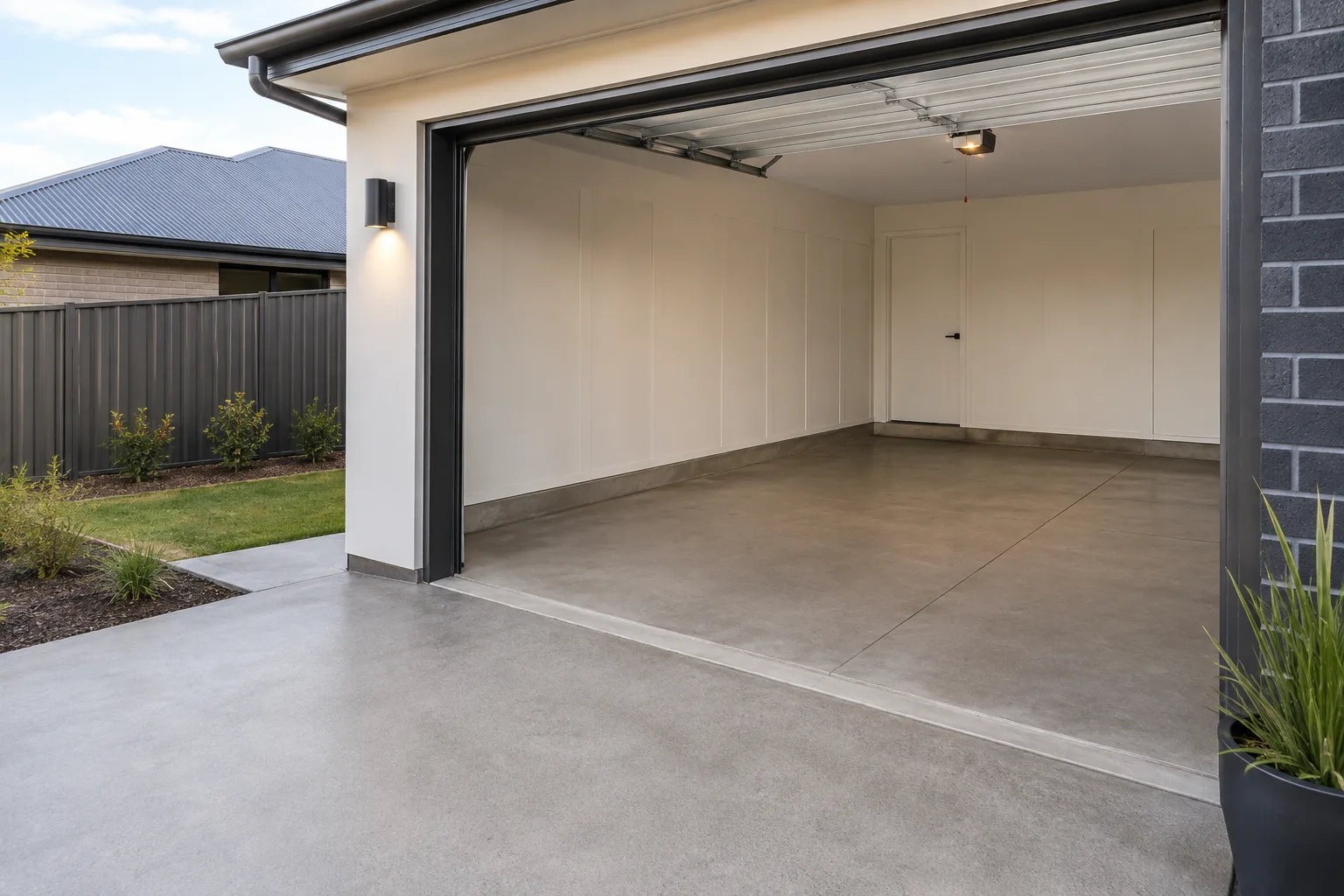
Building a new garage or carport
New garage builds need a slab poured to the right dimensions and level, ready for the frame and walls to go up on top.

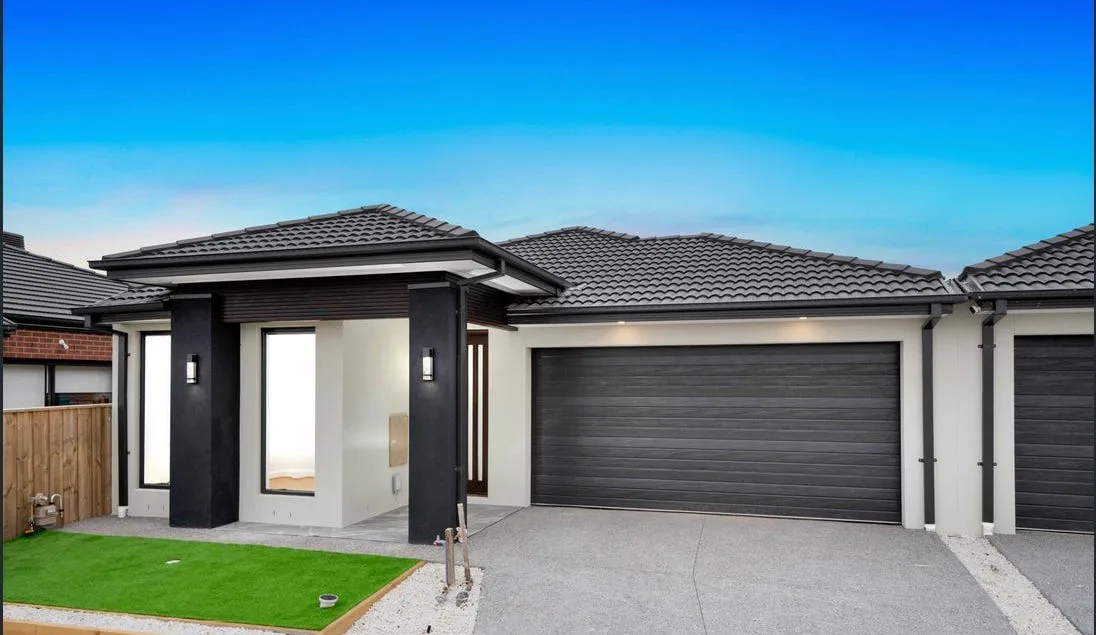
We build reinforced garage slabs for homeowners, builders, and light-commercial clients across the Liverpool area, giving you a solid, level foundation that's ready for whatever you park or store on it. Whether you're pouring a slab for a new garage, a workshop, or a shed, getting the base right from the start is what determines how well it holds up over the years ahead.
A garage slab has to carry real, sustained weight day after day, from vehicles, tools, and stored gear, and it needs to be laid dead level so doors, walls, and fittings all sit properly once construction starts. That means proper site levelling, solid compaction, and correctly set formwork before any concrete goes down, along with reinforcement suited to the load the slab will actually carry. Getting each of those steps right the first time is what keeps a garage slab performing for years rather than cracking or settling early.
Real-World Situations
New garage builds need a slab poured to the right dimensions and level, ready for the frame and walls to go up on top.
Older garage slabs that have cracked, sunk, or settled unevenly often need to come out and be replaced properly rather than patched over.
Sheds and workshops across the area, including light-commercial sites, need a slab that can handle heavier tools, equipment, or storage loads, not just a light-duty pour.
A lot of Liverpool properties are adding secondary structures, and a properly reinforced slab is the starting point for any of them.
Once your garage slab is down, you're left with a solid, level surface that's ready to build on or park on straight away, without any of the dips, cracks, or uneven patches that come from a rushed job. It's built to carry the weight of vehicles and everyday use without shifting or wearing unevenly, so whatever goes on top of it, from a garage frame to years of parking and storage, has a stable base to rely on. A properly poured slab also makes life easier down the track, since a level, solid surface means fewer issues with doors, fittings, or flooring that go in afterwards.
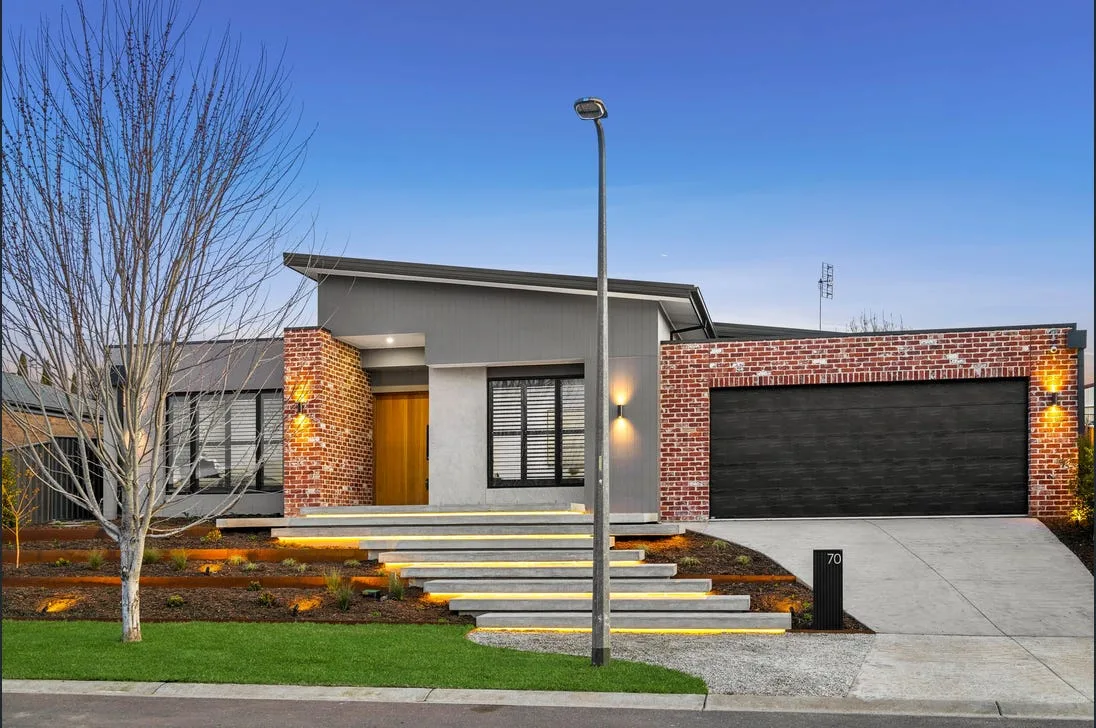
Our Process
From the first quote to the final finish, every garage slab job runs through the same three steps.
We assess the site, talk through what the slab needs to handle, and give you a firm quote before any work starts.
The site is levelled and compacted, formwork is set up, reinforcement is placed to suit the load, and the concrete is poured and finished properly.
You're left with a level, cured slab that's ready for the build or the use it was designed for.

A garage slab only performs as well as what's underneath it, so we put the work into site levelling, compaction, and reinforcement before the concrete ever goes down, rather than rushing straight to the pour. That groundwork is what stops a slab settling unevenly or cracking early under the weight of a vehicle.
Reactive clay is a genuine factor across much of the Liverpool area. The LGA sits on the Wianamatta Group, and Bringelly Shale, the most reactive member of that group, is the biggest single cause of cracked slabs and driveways in the region. Many sites across the area classify as Class M through to H1 or H2 under AS2870, which affects how much reinforcement a slab needs, how deep the edge beams should be, and where control joints need to be cut. We factor this into how a garage slab is reinforced and jointed, rather than treating every site the same way regardless of the ground it's sitting on.
Get Started
Send through a few details about your project and we'll come back with a firm quote covering site prep, reinforcement and the pour.
Tell us about your project and we'll get back to you shortly.
Questions
A proper quote covers site levelling, compaction, formwork, reinforcement suited to the load the slab will carry, and the pour and finish itself. We're clear about what's included before work starts, so there are no surprises partway through.
Concrete needs time to cure before it takes weight, and the exact timing depends on the slab and the weather at the time. We'll talk you through the curing period for your job so you know when it's ready for the next stage.
Cracking is often down to reactive clay in the ground, inadequate reinforcement, or a rushed cure, especially during hot, dry Sydney summers. We factor site conditions into the reinforcement and jointing, and manage the cure properly, to avoid the early cracking that comes from cutting corners on either.